
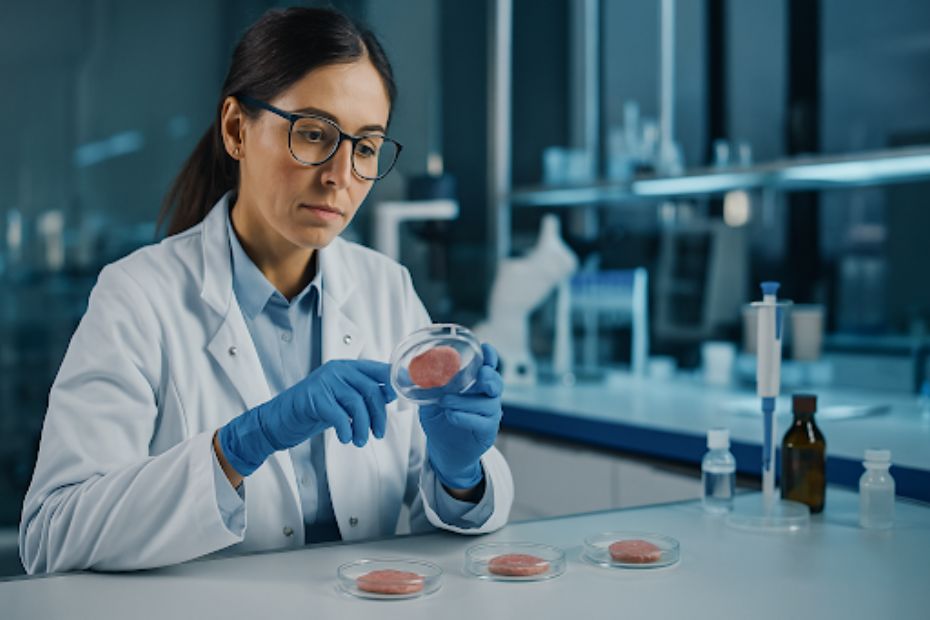
When you think about the future of food, you can’t ignore what biotechnology is bringing to the table. From lab-grown meat to dairy proteins created without animals, the changes are real—and they’re happening faster than most people realize. If you’re working in food science, agriculture, or even consumer education, you’re seeing the shift firsthand. This article breaks down where things stand with cultivated meat, what other biotech food tools are gaining ground, and what you should know as these technologies scale up.
You’re Not Growing a Cow—You’re Growing Meat
Let’s get one thing straight: cultivated meat isn’t science fiction anymore. You’re growing real animal cells outside the body using bioreactors that mimic conditions inside living tissue. You start with a small sample of animal cells—muscle, fat, or connective tissue—and place them in a nutrient-rich environment where they multiply. The result? Meat that looks and tastes like the traditional stuff without the need to raise or slaughter livestock.
That’s a big win on multiple levels. You’re reducing the need for land, water, and feed. You’re sidestepping the massive emissions tied to cattle farming. And you’re still producing real animal protein, not a plant-based imitation. It’s meat—just made in a cleaner, more controlled way.
Lab-Grown Meat Is Getting Thicker, Smarter, and Tastier
You might remember when lab-grown meat was just a thin, flat sample barely good enough for a burger patty. Now, you’re seeing more complex structures like chicken nuggets with real thickness and texture. That shift comes from smarter bioreactors that simulate blood circulation—delivering nutrients and oxygen deep into the tissue, just like veins would in a live animal.
That leap opens up more possibilities. Instead of just ground meat, you’re starting to see the first versions of lab-grown steaks and ribeyes. 3D bioprinting is also in play, letting you “print” structured cuts layer by layer with precise control. It’s still early, but the improvements in form and flavor are catching up fast.
Biotech Helps You Solve Food Problems Without Creating New Ones
Traditional livestock farming is heavy on emissions, land use, and water consumption. As someone working in this space, you’re already aware of the pressure agriculture puts on climate, especially with meat production. Cultivated meat offers a direct way to lower the footprint of protein production.
You’re also stepping into a space where fewer animals are involved. That means fewer ethical concerns from customers and fewer complications with zoonotic diseases. It doesn’t mean there are no problems—fetal bovine serum is still used in some systems, and that needs addressing. But the progress on animal-free media is encouraging, especially for companies focused on ethics and cost efficiency.
You’re Watching Costs Drop and Scalability Improve—Slowly
Here’s the hard truth: cultivated meat is still expensive. You’re not getting a lab-grown burger for the same price as supermarket ground beef yet. The technology is improving, but scalability is still a real barrier. The infrastructure, the cell culture media, the bioreactors—all of it needs to move from pilot projects to factory-level output.
That said, the progress is steady. You’ve got startups pushing toward price parity, and partnerships with major food producers are picking up. As processes become more efficient, and media costs drop, the economic gap will shrink. If you’re betting on biotech’s future in food, you’re not wrong—it’s just not going to hit mass market overnight.
Dairy Without Cows? Yeah, That’s Happening Too
Biotechnology’s role in food doesn’t stop with meat. You’ve probably seen what’s happening in dairy alternatives. Precision fermentation is being used to produce whey and casein—the key proteins in milk—without using cows at all. This means you can make animal-free milk, cheese, and even ice cream that doesn’t taste like a substitute.
Companies are using genetically modified microbes to produce these proteins in fermenters. The result is real dairy protein, bio-identical to what comes from cows. You get the same texture, melt, and taste, without the emissions or animal welfare issues. It’s especially useful in markets where demand for ethical and allergen-free foods is growing fast.
You Can’t Ignore the Regulatory and Public Hurdles
Regulatory approval is still a gatekeeper in many countries. In the U.S., you’ve seen cultivated chicken approved for sale—an important step. But global rollout requires navigating different safety standards, food labeling laws, and public perception issues.
And public reaction? That’s mixed. Some consumers love the innovation and ethics. Others worry about unnatural food or unknown long-term effects. That’s why education matters. If you’re working on biotech food products, you’ve got to explain what they are, how they’re made, and why they’re safe. Transparency isn’t optional—it’s the bridge to public trust.
Food Tech Is Growing Fast—But Equity Still Needs a Seat at the Table
You’re solving big problems, but don’t overlook access. If biotech foods only reach wealthy markets, you’re missing the point. The promise of these technologies includes helping solve global hunger, reducing reliance on fragile supply chains, and producing protein where traditional agriculture won’t work—like remote areas or even space missions.
That’s where partnerships with public institutions and open innovation matter. If you’re in this field, think about how your work can be part of a bigger food system solution. Tech alone won’t fix food—but tech in the hands of the right people just might.
Top Things to Know About Biotech and Future Food
- Cultivated meat uses real animal cells grown in bioreactors
- Environmental benefits include lower emissions and land use
- 3D bioprinting and fermentation expand biotech’s reach
- Dairy proteins are now made without cows
- Regulatory and consumer approval are still catching up
In Conclusion
Biotechnology is changing how you produce, process, and consume food. From lab-grown meat to animal-free dairy, you’re seeing real alternatives to conventional farming that offer benefits in sustainability, nutrition, and ethics. But scaling up, keeping costs down, and ensuring fair access will determine how much impact these tools really have. The science is catching up—now it’s about putting it to work where it matters most.
For more insights and updates on biotech and food innovation, follow on Pinterest.

Nirdosh Jagota is Managing Partner at GRQ Biotech Advisors with 30+ years in the biotech industry. A former executive at Amgen, Genentech/Roche, Merck, and Pfizer, he has led >25 NDAs/BLAs/MAAs and hundreds of INDs across global regulatory, quality, and compliance.