

In today’s fast-paced and often overwhelming world, stress has become an unavoidable part of daily life. From work pressures and personal responsibilities to the constant influx of information and social media, it’s no wonder that many of us feel stretched thin. However, amidst this chaos, there is a powerful tool that can help us manage and reduce stress: mindfulness. Mindfulness involves being fully present in the moment and observing our thoughts and feelings without judgment. This practice has gained significant attention for its effectiveness in reducing stress and improving overall well-being. In this comprehensive guide, we will explore various mindfulness techniques that can help you reduce stress and live a more balanced, peaceful life. By the end, you’ll understand how to incorporate these practices into your routine and experience their transformative benefits.
Understanding Mindfulness
Mindfulness is the practice of paying attention to the present moment with openness and curiosity. It means being aware of where we are and what we’re doing, without being overly reactive or overwhelmed by what’s happening around us. This concept, rooted in Buddhist meditation, has been adapted into a secular practice that is widely used in therapeutic settings today. The core idea is to observe thoughts and feelings from a distance, without labeling them as good or bad.
The practice of mindfulness can be traced back to ancient traditions, particularly within Buddhism, where it was used as a pathway to enlightenment. In contemporary times, mindfulness has been popularized in the West by figures such as Jon Kabat-Zinn, who developed the Mindfulness-Based Stress Reduction (MBSR) program in the late 1970s. This program demonstrated how mindfulness could be used to alleviate a range of physical and mental health issues, bringing mindfulness into the mainstream and highlighting its practical benefits.
Benefits of Mindfulness
The benefits of mindfulness extend beyond stress reduction. Research has shown that mindfulness can improve mental clarity, increase focus, and enhance emotional regulation. It helps individuals become more aware of their thoughts and feelings, which can lead to better decision-making and problem-solving abilities. Moreover, mindfulness has been linked to improved physical health, including lower blood pressure, better sleep, and reduced symptoms of chronic pain.
Mindfulness also promotes a greater sense of well-being and life satisfaction. By fostering a non-judgmental awareness of the present moment, individuals can develop a more positive outlook on life and increase their resilience to stress. Studies have shown that regular mindfulness practice can lead to lasting changes in brain regions associated with memory, empathy, and stress regulation, underscoring its profound impact on overall health and happiness.
Mindful Breathing
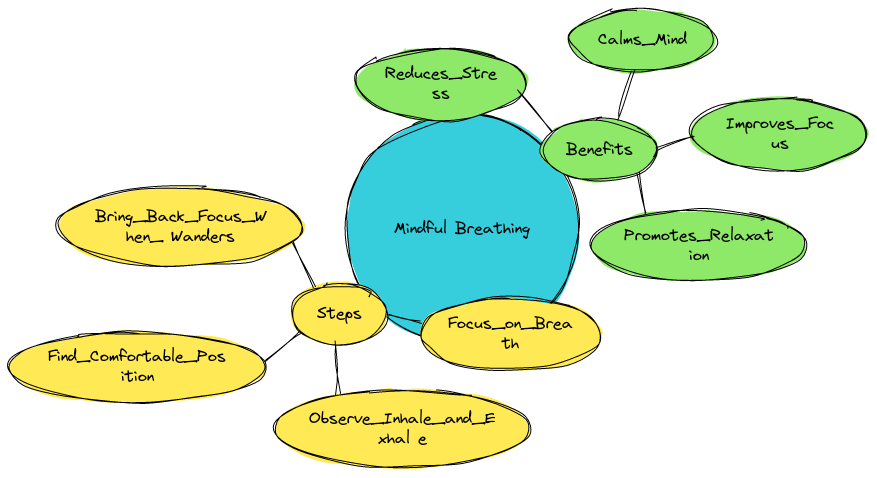
One of the simplest and most effective mindfulness techniques is mindful breathing. This involves focusing your attention on your breath, observing each inhale and exhale without trying to control it. Mindful breathing can help calm the mind and reduce stress by bringing your attention away from worries and back to the present moment. You can practice mindful breathing anywhere and anytime, making it a versatile tool for managing stress.
To practice mindful breathing, find a comfortable position and close your eyes if it feels safe to do so. Begin by taking a few deep breaths, then allow your breath to settle into its natural rhythm. Focus your attention on the sensation of the breath as it enters and leaves your body. Notice the rise and fall of your chest or the feeling of air passing through your nostrils. If your mind wanders, gently bring your focus back to your breath. Even a few minutes of mindful breathing can help you feel more centered and calm.
Body Scan Meditation
Body scan meditation is another powerful mindfulness practice that involves paying attention to different parts of your body, from your toes to your head. This technique helps you become more aware of physical sensations and can identify areas of tension that you might not have noticed. By focusing on each body part, you can release tension and promote relaxation. Body scan meditation is particularly useful for reducing physical stress and improving overall body awareness.
To practice a body scan, lie down in a comfortable position and close your eyes. Start by taking a few deep breaths to center yourself. Then, bring your attention to your toes, noticing any sensations without judgment. Slowly move your attention up through your feet, legs, torso, arms, and head, spending a few moments on each area. If you encounter areas of tension or discomfort, acknowledge them without trying to change them, and continue scanning your body. This practice can help you connect with your body and cultivate a sense of calm and relaxation.
Mindful Movement
Incorporating mindfulness into physical activities, such as walking or stretching, can also reduce stress. Mindful movement involves paying attention to the sensations in your body as you move. For example, during a mindful walk, you would notice the feeling of your feet touching the ground, the movement of your muscles, and the rhythm of your breath. This practice helps ground you in the present moment and can be a refreshing break from the busyness of daily life.
Mindful movement can be practiced in various forms, including yoga, tai chi, and even simple stretching exercises. The key is to move slowly and deliberately, focusing on the sensations in your body and staying present with each movement. This practice not only reduces stress but also enhances physical flexibility, balance, and coordination. It’s a wonderful way to integrate mindfulness into your daily routine while promoting physical and mental well-being.
Mindful Eating
Mindful eating is a technique that encourages you to savor your food and become more aware of the eating experience. This involves paying full attention to the taste, texture, smell, and appearance of your food. Eating mindfully can help you develop a healthier relationship with food, reduce overeating, and improve digestion. It also transforms meals into a time of relaxation and enjoyment, rather than a rushed or mindless activity.
To practice mindful eating, begin by choosing a meal or snack and setting aside time to eat without distractions. As you take each bite, pay attention to the flavors, textures, and aromas. Chew slowly and thoroughly, noticing the sensations in your mouth and body. Reflect on the journey of the food from its source to your plate, appreciating the effort involved in its preparation. By engaging fully in the eating process, you can foster a deeper connection with your food and enhance your overall dining experience .
The STOP Technique
The STOP technique is a quick mindfulness exercise that you can use whenever you feel stressed or overwhelmed. STOP stands for Stop, Take a breath, Observe, and Proceed. When you notice stress building up, simply stop what you are doing, take a few deep breaths, observe your current thoughts and feelings without judgment, and then proceed with greater awareness and calm. This technique is easy to remember and can be practiced anywhere, making it a valuable tool for managing stress in real-time.
Here’s how to practice the STOP technique:
- Stop: Whatever you’re doing, pause for a moment.
- Take a breath: Focus on your breathing. Take a few deep, slow breaths.
- Observe: Notice what is happening inside and around you. What are you thinking? How are you feeling? What sensations are you experiencing in your body?
- Proceed: After taking a moment to observe, proceed with your activity, bringing the awareness and insights gained from this brief pause.
This simple practice can help interrupt the cycle of stress and provide a moment of clarity and calm amidst the chaos of daily life.
Practicing Self-Compassion
Mindfulness also involves practicing self-compassion, which means treating yourself with the same kindness and understanding that you would offer to a friend. Self-compassion can reduce negative self-talk and help you cope better with stress. It involves recognizing that everyone makes mistakes and that imperfections are a part of being human. By being kind to yourself, you can create a more supportive inner environment that fosters resilience and well-being.
To practice self-compassion, start by acknowledging your struggles without judgment. Speak to yourself with words of encouragement and kindness, just as you would to a dear friend. You can also practice self-compassion meditation, which involves sending thoughts of love and kindness to yourself and others. This practice can help cultivate a sense of inner peace and reduce the harsh self-criticism that often accompanies stress.
In conclusion, mindfulness is a powerful tool for reducing stress and improving overall well-being. By incorporating techniques such as mindful breathing, body scan meditation, mindful movement, mindful eating, the STOP technique, and practicing self-compassion, you can cultivate greater awareness and presence in your daily life. These practices can help you manage stress more effectively and lead a more balanced, peaceful life. Embracing mindfulness not only enhances mental and physical health but also enriches your overall life experience. Start integrating these techniques into your routine and observe the positive changes they bring, fostering a calmer, more centered approach to life’s challenges.

Nirdosh Jagota is Managing Partner at GRQ Biotech Advisors with 30+ years in the biotech industry. A former executive at Amgen, Genentech/Roche, Merck, and Pfizer, he has led >25 NDAs/BLAs/MAAs and hundreds of INDs across global regulatory, quality, and compliance.